


My name is Aaron. I own Go Grava Bicycles in Wyomissing, Pennsylvania, and I have spent most of my life riding bicycles. Road, mountain bike, cyclocross, gravel, track—I have ridden a lot of different bikes in a lot of different places. That matters here because this is not a review based on a parking-lot ride or a weekend loaner.
I now have more than 1,000 miles on my personal X-Lab GT8. I have ridden it on pavement, rail trail, rough gravel, rocky climbs, fast descents, group rides and the kind of mixed-surface riding we have all over southeastern Pennsylvania. I have also lived with the bike long enough to change things, change some things back, and figure out what I would actually recommend to a customer.
That is how I want to review the GT8. I am not interested in pushing a bike because I sell it. I would rather put the right bike under the right rider. Sometimes that means telling someone a bike is not the best fit for them.
What Changed After More Than 1,000 Miles?
The short answer is that my opinion of the frame has gotten better, not worse.
When I first rode the GT8, what stood out was the contradiction in the bike. It has a fairly aggressive front end. You feel connected to the front wheel, it changes direction quickly, and on pavement it behaves much more like a road bike than a big, lazy adventure gravel bike. But the rear triangle does not beat you up the way I would expect from a bike with that kind of front-end feel.
After more than 1,000 miles, that combination is still the defining characteristic of the GT8 for me. I can sit in a fast road paceline on 45 mm tires and not feel like I brought the wrong bike. Then I can turn off onto gravel without the bike suddenly feeling nervous or underbuilt.
I have ridden gravel bikes that are more race focused. I have ridden gravel bikes that are more stable and adventure focused. The GT8 lives between those two categories better than most bikes I have ridden.
How Does the X-Lab GT8 Actually Ride?
Fast. That sounds overly simple, but it is the first word I would use.
The GT8 does not have the long, slow steering feel of a bike designed primarily for loaded bikepacking. The steering is direct and the front end feels planted when you are pushing hard. On pavement, especially with a faster gravel tire, the bike carries speed extremely well. I have had no problem riding it in 20 mph group-ride pacelines.
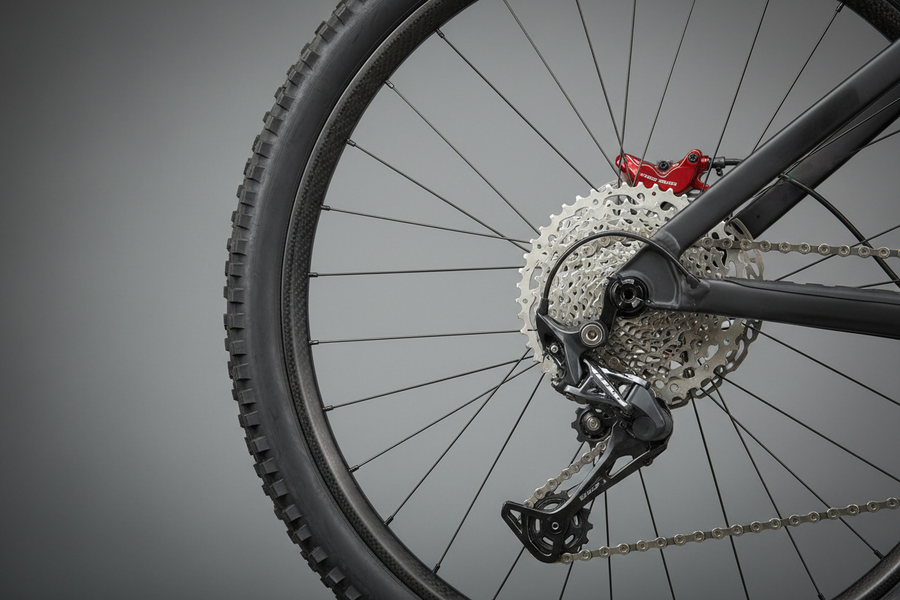
At the same time, the bike does not feel harsh in the rear. The rear triangle and 27.2 mm seatpost help take the edge off rough surfaces. On washboard, broken gravel and rocky Pennsylvania roads, the rear of the bike stays calmer than the front-end geometry might make you expect.
That is why I have described the GT8 as the Gran Turismo of gravel bikes. I do not know if that is what X-Lab intended the letters “GT” to mean. That is my interpretation. In the automotive world, a GT car is supposed to combine speed, performance and the ability to cover distance comfortably. That is exactly how this bicycle feels to me.

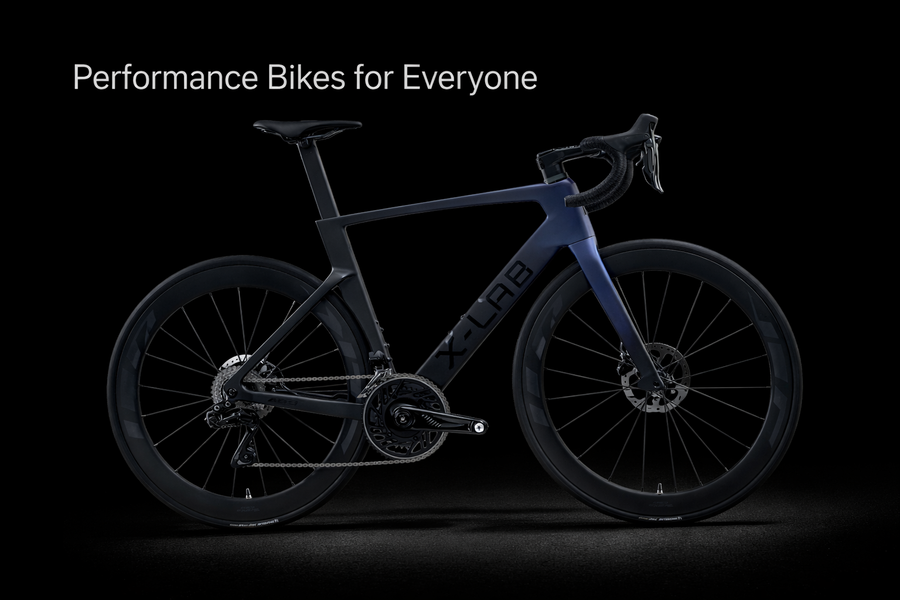
X-Lab GT8 Gravel Bike — $3,199
The complete GT8 combines a carbon frame and fork, Shimano GRX Di2, a power meter, Branta C45 carbon wheels and an integrated carbon cockpit. It is the bike discussed throughout this review.
Shop the X-Lab GT8Is the GT8 a Race Gravel Bike or an Endurance Gravel Bike?
This is where I think a spec-sheet review misses the point.
If you only look at tire clearance, storage, mounting points and wide-range gearing, you could call it an adventure gravel bike. If you only look at the cockpit position and the way the bike steers, you could call it a race gravel bike.
I think both answers are incomplete.
The GT8 has a race-oriented feel at the front and an endurance-oriented feel at the rear. That is why riders coming from a road or cyclocross background tend to understand the bike very quickly. If you are coming from a very upright endurance gravel bike, the position can feel noticeably more aggressive.
For me, that is not a flaw. It is part of the bike's personality. But it is something a buyer should understand before ordering one.
Do the Stock GT8 Components Need Upgrading?
Not really—and that is important.
I changed the wheels on my personal bike to Boyd Pinnacle Race wheels because I like Boyd wheels and I wanted that setup. The stock Branta C45 carbon wheels are not a weak point. They are approximately 45 mm deep, reasonably light for a stock gravel wheelset, tubeless ready, and good enough that most riders have no reason to replace them.
The same goes for the drivetrain. Shimano GRX Di2 works. The stock 1x gearing gives the GT8 a huge range, and the frame also gives riders options if they want to approach the drivetrain differently later.
Where I do think it makes sense to tune the bike is fit and contact points. Stem length, handlebar width and tires can change how the bike feels without throwing away perfectly good components.

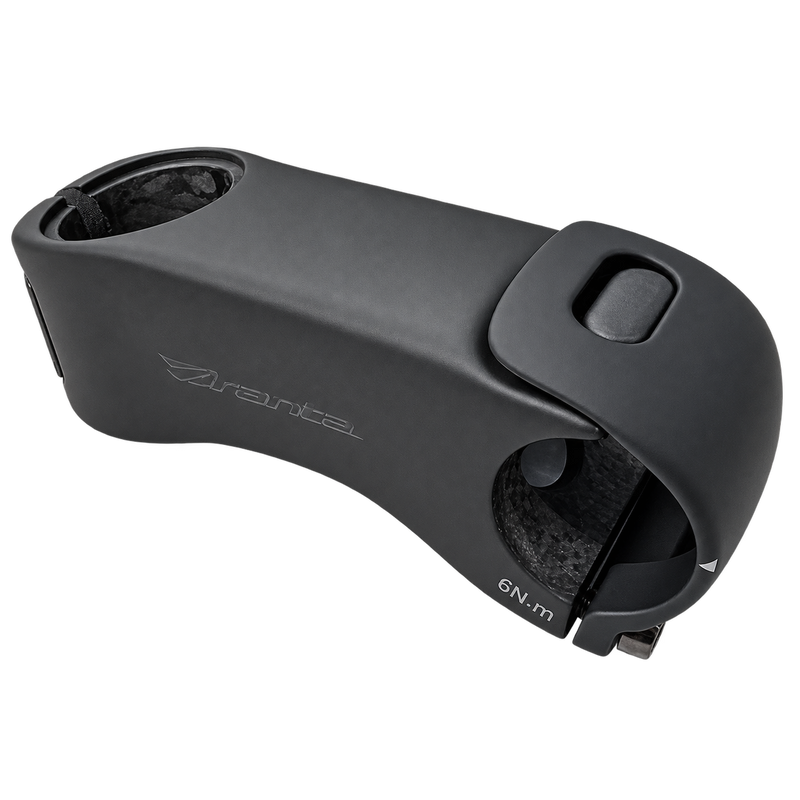
Branta Carbon Stem for X-Lab GT8 — $150
Go Grava stocks the genuine GT8 carbon stem in multiple lengths. This is useful when the frame size is right but reach needs to be fine-tuned. A shorter or longer stem changes cockpit reach without turning the GT8 into a different bicycle.
See GT8 Stem Options
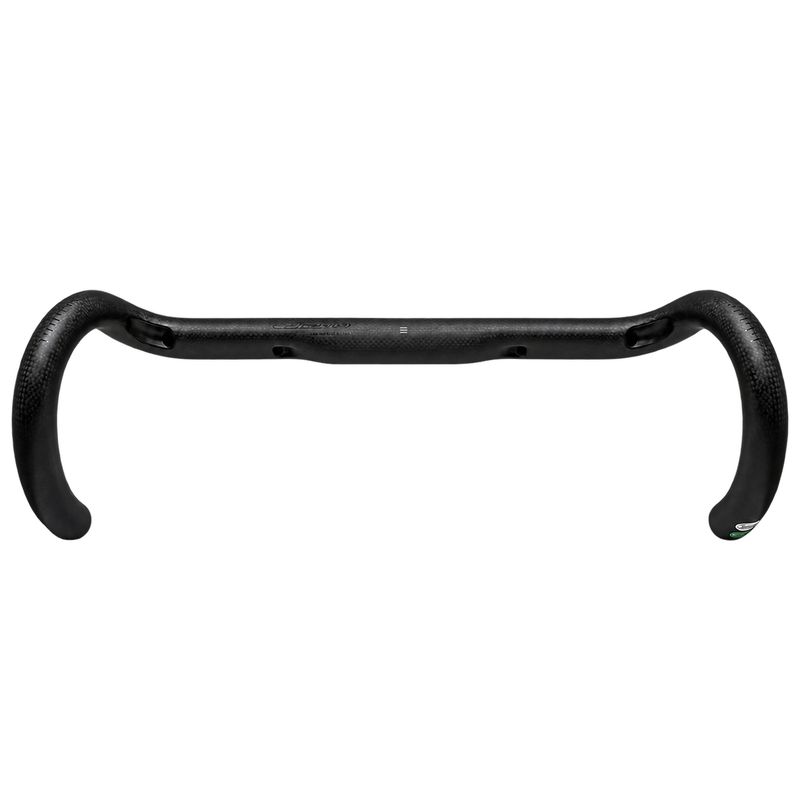
Branta GT8 Carbon Gravel Handlebar — $200
The genuine GT8 carbon bar is available in multiple top/drop widths. Handlebar width is one of the easiest places to make a fast gravel bike feel more natural, especially for riders who do not match the stock cockpit dimensions perfectly.
Shop GT8 HandlebarsGT8 Fit, Cockpit and Sizing Considerations
This is the section I would want every potential GT8 buyer to read.
The GT8 has an integrated cockpit. It looks clean and aerodynamic, but integrated front ends always reduce the number of easy fit changes you can make compared with a traditional stem and externally routed cables.
On my XL, the saddle-to-handlebar drop is fairly aggressive. I am comfortable there because of my riding background, but I would not assume every rider wants that position.
I pay particular attention when someone is moving from a more upright endurance bike or when they already know they want a higher front end. The correct answer is not “buy it anyway.” The answer is to look closely at stack, reach, stem length, bar width and your current position before the bike ships.
The genuine stem and handlebar options we stock can help us tune reach and width. They do not magically add 50 or 70 mm of stack, so I do not want to oversell what those parts do. If your body requires a substantially more upright position, that needs to be part of the buying decision from the beginning.
That is exactly why I think a dealer who actually builds and rides these bikes has value. A geometry chart is useful. A geometry chart plus someone who has lived on the bike for 1,000 miles is better.
The Tire Change That Made the Biggest Difference for Me
My favorite change to the GT8 was not a $2,000 wheelset. It was tires.
I switched to Vittoria Terreno T30s because a large percentage of my riding mixes pavement with fast, relatively smooth gravel. The T30 has a fast center section with enough shoulder tread to give me confidence when the surface gets loose. On my 45 mm setup, the GT8 still feels quick enough for road group rides but has the volume and traction I want once I leave the pavement.
The GT8 has clearance for tires up to 55 mm, which gives you a lot of room to change the personality of the bike. You do not need to run a 55. The better question is: what surface do you actually ride?

Vittoria Terreno T30 700x45 — $75.99
My choice for fast mixed-surface riding. If your GT8 spends a lot of time on pavement, rail trail and hardpack gravel, this is the tire I would start with.
Shop the Terreno T30Want more bite? Move up the Terreno range.
Go Grava also stocks more aggressive Terreno options. I would choose the tire based on terrain, not because one tread is universally “better.”
Terreno T50 700x45 — a balanced mixed-condition option for riders who see more loose gravel and rough back roads.
Terreno T60 700x40 — more tread for loose-over-hard and chunkier surfaces.
Terreno T70 700x45 — the most aggressive direction of these choices when traction matters more than pavement speed.
Buying a GT8 from us? Ask us about installing the tires you want and setting the bike up tubeless before we repack it for shipment.
How Go Grava Prepares a GT8 Before Shipping
This is one of the areas where I think buying from a bike shop should mean something.
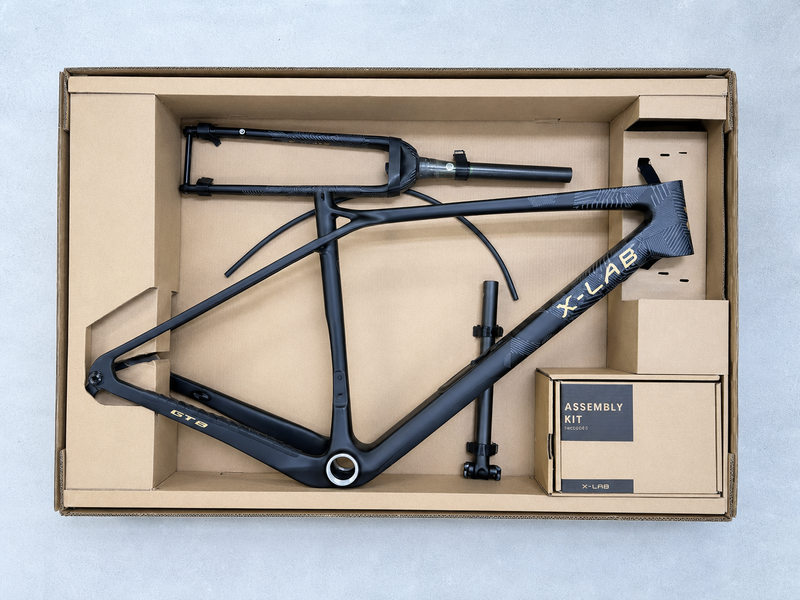
We do not take a factory box, slap another label on it and hope everything inside is perfect. Every complete bike we ship is removed from the box and built by our shop first.
We inspect the bicycle, torque and check the assembly, align the brakes, check the drivetrain and shifting, update electronic components when required, and correct problems before the bicycle leaves Go Grava. If a brake needs attention, it gets attention here—not after the bike is sitting in your garage several states away.
Then we carefully repack the bike for shipment.
The reason is simple: it is much easier for us to solve a problem while the bicycle is physically in our service area than after it has been delivered. I would rather spend the extra time before shipping than send you a bike that immediately creates a support problem.
If you want a different Terreno tire setup, tubeless conversion, or a genuine GT8 cockpit part installed, that is the right time to do it. We can build the bike around the way you actually plan to ride it instead of making you replace parts after delivery.
Who Should Buy the X-Lab GT8?
I would put the GT8 near the top of the list for a rider who wants one gravel bike that still feels fast on the road. It makes a lot of sense for a road cyclist moving into gravel, a rider who wants to race occasionally without owning a dedicated race-only machine, or someone who wants a high-spec carbon bike without immediately replacing wheels, drivetrain and cockpit.
I would be more cautious if you know you need a very upright cockpit, if your priority is heavily loaded bikepacking, or if you want a bike that steers slowly and feels extremely stretched out and stable on rough terrain. There are bikes designed more specifically for those jobs.
That does not make them better bikes. It makes them different bikes.
After more than 1,000 miles, the GT8 still makes sense to me for the same reason it did early on: it is fast without being miserable, capable without feeling dull, and equipped well enough that upgrades are choices instead of necessities.
For $3,199, that is a hard combination to ignore.
Frequently Asked Questions About the X-Lab GT8
Is the X-Lab GT8 a race gravel bike?
The GT8 has race-like front-end handling and a fairly aggressive riding position, but its rear compliance, tire clearance, storage and mounting options make it more versatile than a pure race platform.
How much tire clearance does the GT8 have?
The GT8 is designed around generous gravel clearance and can accommodate tires up to approximately 55 mm. The best size depends on rim width, actual measured tire width and riding conditions.
Do I need to upgrade the Branta C45 carbon wheels?
No. I changed mine because I wanted a different wheelset, not because the stock Branta C45s were inadequate. For most riders, the stock wheels are one of the reasons the complete GT8 is such a strong value.
What is the best Vittoria tire for the GT8?
For my mix of pavement and fast hardpack gravel, I like the Terreno T30. Riders on rougher or looser surfaces may prefer the T50, T60 or T70 depending on how much traction they want to trade for rolling speed.
Can Go Grava install different tires before shipping my GT8?
Yes. We can discuss tire choice, installation and tubeless setup before the bicycle is repacked and shipped.
Is the integrated cockpit hard to fit?
It requires more planning than a traditional externally routed cockpit. Go Grava stocks genuine GT8 stem lengths and handlebar widths that can help fine-tune reach and bar width, but riders who require a dramatically higher front end should evaluate that before buying.
Bottom line: I have now ridden the GT8 long enough that the honeymoon period is over. I know what I like about it, what I changed, what I would leave alone, and where I would caution a customer. It is still one of the most interesting gravel bikes I have ridden because it does not force you to choose between a fast bike and a comfortable one.
If you are considering a GT8 and have a fit, tire or setup question, contact Go Grava before ordering. We would rather help you configure the right bike before it leaves the shop than sell you the wrong setup and explain it later.
Leave a comment