


What Defines an E-Scooter — and Why It Does Not Fall Under Class 1, 2, or 3 E-Bike Laws
E-scooters are not “outside the law.” They exist outside the Class 1, 2, and 3 e-bike system because that framework applies only to electric bicycles with functional pedals and bicycle drivetrains. This article explains how e-scooters, seated scooters, and other electric vehicles are actually defined—and why those distinctions matter.
Table of Contents
Electric mobility has expanded rapidly, and with that growth has come confusion—especially around e-scooters. Riders frequently ask whether an e-scooter falls under Class 1, Class 2, or Class 3 e-bike laws, or whether scooters somehow exist in a legal gray zone.
They do not.
E-scooters are not e-bikes, and the Class 1–2–3 system was never designed to include them. Understanding why helps riders make better decisions about legality, trail access, safety, and realistic expectations.
The Key Distinction Most People Miss
The Class 1 / Class 2 / Class 3 framework applies only to electric bicycles that meet specific design requirements.
To qualify as an e-bike under the Class system, a vehicle must have:
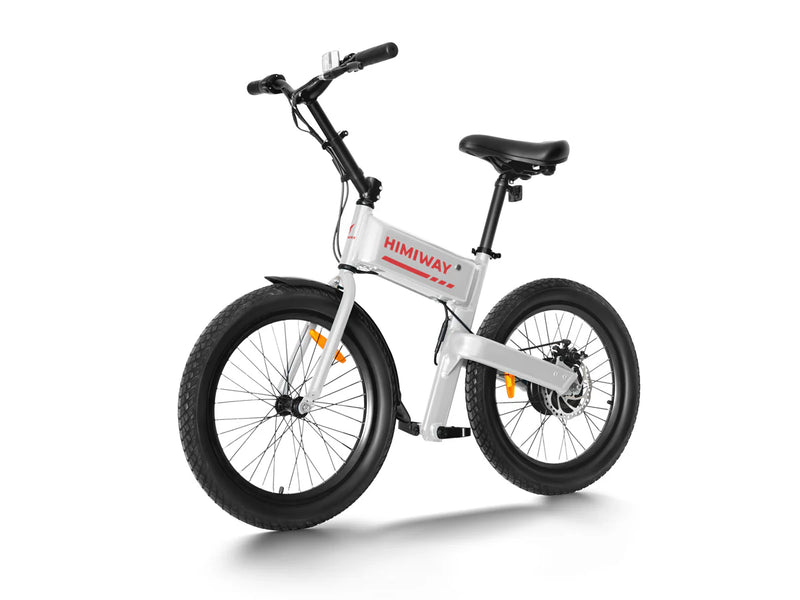
- Fully operable pedals
- A human-powered drivetrain (chain or belt)
- Bicycle-style geometry intended for pedaling

If a vehicle does not meet those criteria, it is not an e-bike under the Class system—regardless of its speed, motor output, or how it is marketed.
Go Grava’s Practical Definition
This is how we explain it in the shop:
If it doesn’t have traditional pedals and a chain or belt-driven pedaling system, it isn’t an e-bike. It is usually an e-scooter or a broader e-vehicle, depending on how it is built and intended to be used.
This distinction prevents the most common misunderstanding we see: assuming that anything electric with two wheels automatically qualifies as a Class 1, 2, or 3 e-bike.
E-Bike vs E-Scooter vs E-Vehicle
| Category | How it’s built | Class 1–3 applies? |
|---|---|---|
| E-Bike | Pedals, chain or belt drivetrain, bicycle geometry | Yes |
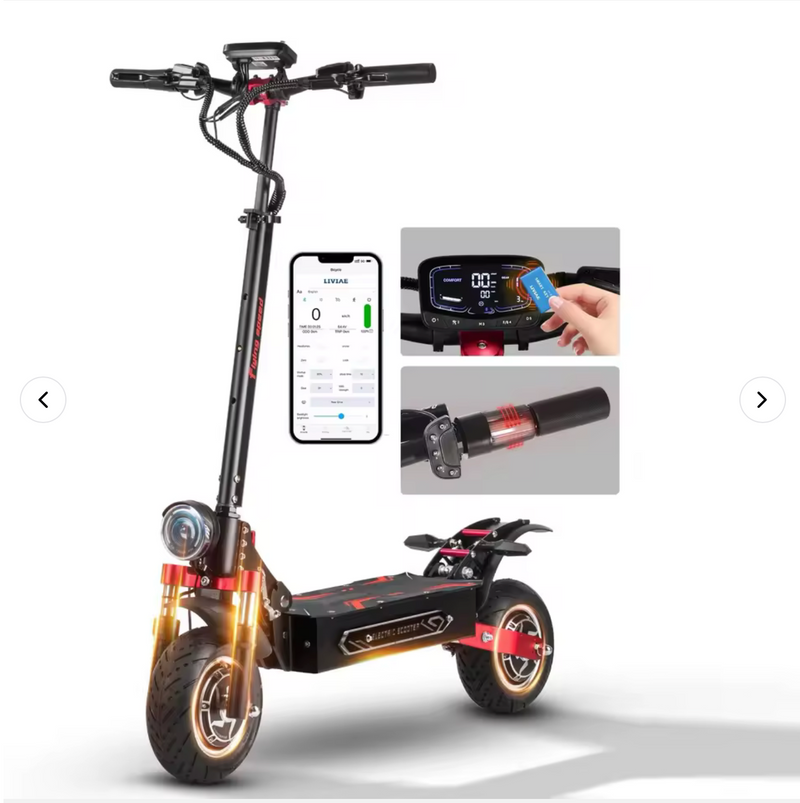
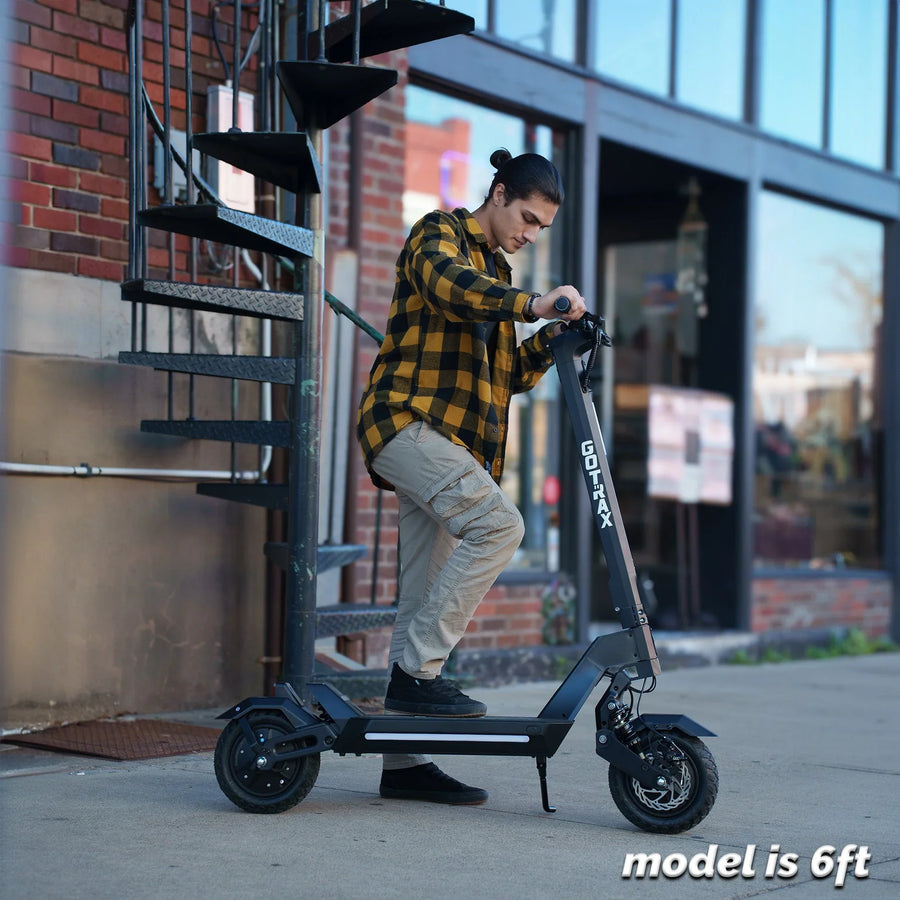
| E-Scooter | Deck-based platform, no pedals, throttle-driven | No |
| E-Vehicle | Moped, mini-moto, electric dirt bike, pedal-less bike-style frames |
No |

What Counts as an E-Scooter Today
E-scooters are most commonly associated with a standing deck and handlebars. That remains true, but many modern e-scooters now include optional or fixed seats mounted to the deck.
Important clarification: Adding a seat does not automatically turn an e-scooter into a moped.
Common e-scooter characteristics
- Deck-based platform (standing or seated)
- No pedals and no bicycle drivetrain
- Throttle-based propulsion
- Compact design for short-to-mid distance trips
Seated E-Scooters vs E-Mopeds
The line between a seated e-scooter and an electric moped has become increasingly blurry. Manufacturers are now producing vehicles that sit between categories, often intentionally.

Usually still a seated e-scooter when:
- The vehicle remains a deck-based scooter chassis
- The seat is secondary to the platform design
- Power, size, and geometry remain scooter-like
Starts behaving more like an e-moped when:
- The frame is designed primarily for seated riding
- Wheelbase and wheel size increase significantly
- The vehicle is intended for sustained roadway travel
Key takeaway: Classification is no longer about appearance. It’s about how a vehicle is built, powered, and realistically used.
Do E-Scooters Live Outside the Law?
No. E-scooters are not unregulated.
They are simply regulated outside the e-bike Class system. Depending on location, e-scooters may fall under:
- State vehicle code definitions
- Municipal ordinances
- Trail, campus, or property-specific rules
This is why rules and enforcement can vary widely—even within the same state.
Why This Matters for Riders

- Trail and path access depends on vehicle classification
- Safety expectations vary significantly between categories
- Liability and compliance change based on how a vehicle is defined
- Choosing the wrong category can limit where you can realistically ride
How Go Grava Classifies E-Mobility
At Go Grava, we don’t rely on marketing labels alone. We look at:
- Whether the vehicle has functional pedals and a drivetrain
- Whether it is deck-based or frame-based
- The realistic use case—last-mile mobility, trails, or roadway travel
This approach helps customers choose the right product and understand the rules that apply before problems arise.
FAQs
Are e-scooters considered Class 1, 2, or 3 e-bikes?
No. The Class 1 / 2 / 3 system applies to electric bicycles that have functional pedals and a bicycle-style drivetrain (typically a chain or belt). E-scooters don’t have that pedaling drivetrain, so they are regulated outside the Class e-bike framework.
Does adding a seat make an e-scooter a moped?
Not automatically. Many e-scooters are built on a deck-based scooter chassis and may include an optional or fixed seat for comfort. A seat alone doesn’t define the category. The more important factors are the platform design (deck-based vs frame-based), intended use (last-mile vs roadway), and how the vehicle is built to operate.
What’s the practical difference between a seated e-scooter and an e-moped?
Seated e-scooters are typically still deck-based, compact, and designed for short-to-mid distance trips. An e-moped is usually designed around seated riding from the start—often with a longer wheelbase, larger wheels, more road-vehicle ergonomics, and an intention for sustained roadway travel. The line can be blurry, so we focus on how it’s built and how it’s realistically used.
Are e-scooters legal in Pennsylvania?
They can be, but the rules are not the same as Class 1–3 e-bikes. E-scooters are typically governed by a mix of state vehicle code definitions, municipal ordinances, and property or trail policies. In real life, what’s allowed often depends on where you’re riding (roads, sidewalks, trails, campuses, parks) and the local rules for that specific place.
Can I ride an e-scooter on bike trails or multi-use paths?
Sometimes—but not always. Many trail systems distinguish between bicycles, scooters, and motorized devices, and policies can differ by municipality, park authority, or property owner. If trail access is a priority, the safest approach is to check the specific trail rules before you ride—especially if your scooter is higher power or closer to moped-style design.
Is speed what determines whether something is an e-scooter or an e-bike?
No. Speed is only one part of the conversation. The bigger differentiator is the vehicle’s drivetrain and platform design. A Class e-bike is fundamentally a bicycle with pedal function and a bicycle drivetrain. A scooter is fundamentally a deck-based vehicle with throttle propulsion. Two vehicles can have similar top speeds but fall into different categories because they’re built differently.
Why does classification matter if I’m “just commuting”?
Because classification influences where you can ride, how trails and sidewalks treat your vehicle, and what expectations apply for safety and compliance. It also affects practical things like stability, braking distance, tire size, and visibility in traffic. Buying the right category for your commute usually matters more than chasing the highest advertised speed.
How does Go Grava help customers choose between an e-bike, e-scooter, or e-vehicle?
We ignore vague marketing labels and start with fundamentals: Does it have functional pedals and a bicycle drivetrain? Is it deck-based or frame-based? Where do you realistically plan to ride—roads, paths, trails, or mixed-use areas? That approach helps match the product to your use case and reduces surprises around access and expectations.
My husband has a scooter with no seat. He just stands up in it. What class is that? And is he allowed? Is it legal on long island new york, nassau county to have it. Because cops just came and took it away and gave him a ticket
Leave a comment