


Tubeless vs Tubes: Which Tire Setup Makes Sense for How You Actually Ride?
Tubeless and tube setups solve different problems—and neither is automatically “better.” The right choice depends on your terrain, how often you ride, what kind of flats you actually get, and how much maintenance you’re willing to tolerate. This guide breaks down the real-world tradeoffs of tubeless versus tubes without hype or brand loyalty.
Tubeless vs tubes is one of the most common—and most misunderstood—decisions riders face. Online discussions often frame tubeless as a one-way upgrade, but in practice, both systems still exist for good reasons. Each has strengths, limitations, and ideal use cases depending on terrain, riding frequency, and maintenance tolerance.
This article explains how tubeless and tube setups behave over time: how they handle flats, how much work they require, how they feel on the bike, and when one makes more sense than the other.
What’s the difference between tubeless and tubes?
A traditional tube setup uses an inner tube to hold air inside the tire. The tire itself is not airtight. Tubeless systems eliminate the inner tube entirely. Instead, the tire seals directly against a tubeless-compatible rim, and liquid sealant inside the tire seals small punctures automatically.

Key idea: Both systems rely on air pressure to support the rider. The difference is how they hold air—and what happens when something interrupts that air.
How tubeless tires actually prevent flats
The biggest selling point of tubeless systems is flat prevention. Sealant inside the tire flows toward punctures and coagulates when exposed to air. Small holes from thorns, glass, or wire often seal instantly while riding—sometimes without the rider noticing.

However, tubeless does not eliminate flats entirely. Larger cuts, sidewall damage, or impacts that unseat the tire bead can still stop a ride. Tubeless simply changes which flats you experience and how often they occur.
Common tubeless flat scenarios
- Small punctures that seal immediately while riding
- Medium punctures that seal after reinflation
- Large cuts that require a plug or a boot
- Burps from low pressure, rim strikes, or bead issues
How tubes fail—and why some riders prefer them
Tubes fail in simpler, more predictable ways. Most tube flats come from punctures or pinch flats caused by hitting sharp edges at higher pressure. When a tube fails, it often fails completely.
That simplicity is also the appeal. There is no sealant to monitor, no bead sealing to worry about, and fewer compatibility questions between rims and tires. A tube either holds air or it does not.
Common tube flat scenarios
- Punctures from debris
- Pinch flats from hard impacts
- Valve failures
- Slow leaks from aging tubes
Practical takeaway: Tubes are often easier to understand and easier to repair roadside. Tubeless often reduces how often you need to stop in the first place.
Ride quality and tire pressure differences
One of the most noticeable benefits of tubeless setups is the ability to run lower tire pressures safely. Without an inner tube to pinch, riders can reduce pressure for better traction, comfort, and control—especially on gravel, dirt, and rough pavement.

Lower pressure tends to improve
- Cornering grip
- Vibration damping
- Confidence on loose surfaces
Tubes typically require higher pressures to reduce pinch-flat risk. On smooth pavement, this is rarely an issue. On broken roads or mixed terrain, it can limit comfort and traction.
Maintenance: the part most riders underestimate
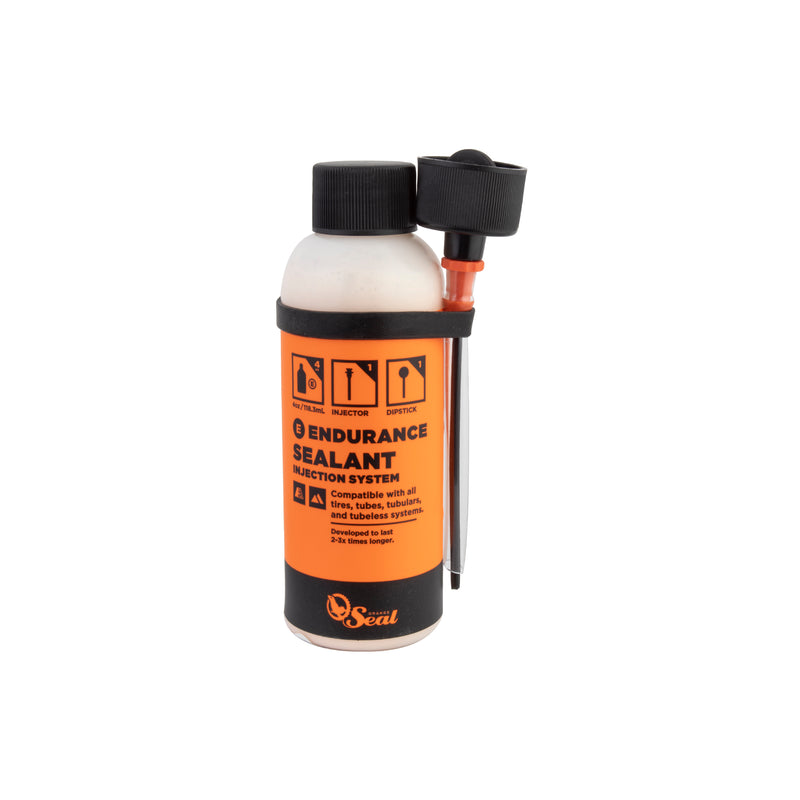
Tubeless systems demand periodic attention. Sealant dries out over time and must be replenished. Tires can also lose air faster than tubes and often need more frequent inflation checks.

Typical tubeless maintenance includes
- Refreshing sealant every 2–4 months (depending on climate and riding frequency)
- Cleaning dried sealant during tire changes
- Monitoring bead seating and rim tape condition
- Carrying a plug kit and a way to reinflate
Tube setups are largely maintenance-free by comparison. Inflate the tire, ride the bike, replace the tube when it fails. For riders who value simplicity or ride infrequently, this matters more than most performance gains.
Weight, rolling resistance, and real-world speed
Tubeless systems often weigh slightly more at the wheel due to sealant and (sometimes) reinforced tire casings. However, the ability to run lower pressure can reduce rolling resistance on imperfect surfaces, and the bike can feel more controlled at speed because the tire tracks the ground better.
In real-world riding
- On smooth pavement, speed differences are usually minimal
- On rough roads, tubeless often feels faster and more efficient
- Comfort and reduced fatigue often matter more than raw speed
Neither system is universally faster. Terrain, pressure choice, and tire construction matter more than theory.
Cost and setup complexity
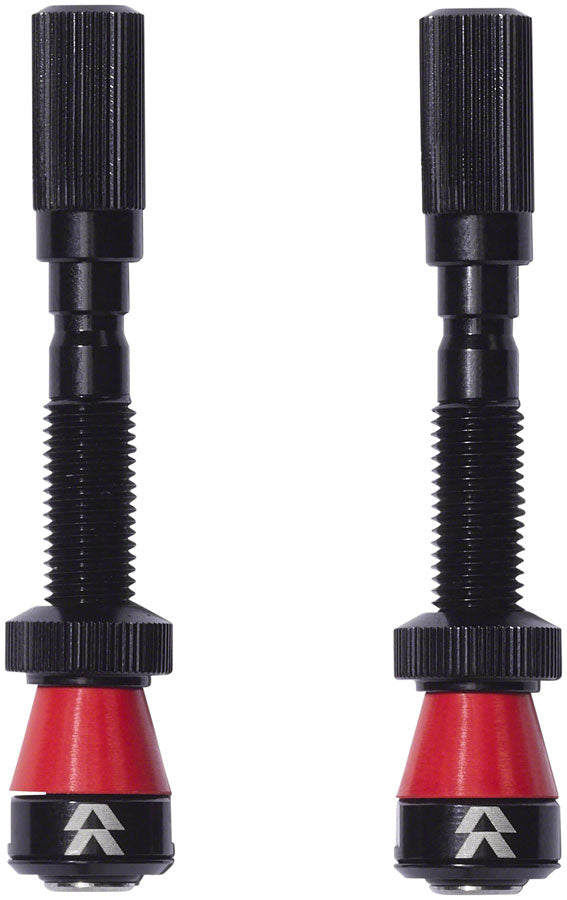
Tubeless requires compatible rims, tires, valves, sealant, and often a high-volume pump or compressor to seat the bead. Initial setup costs are higher, and installation can be messy or frustrating for first-timers.
Tube setups are inexpensive, broadly compatible, and easy to service on the roadside.
Cost considerations
- Tubeless: higher upfront cost, fewer puncture flats long-term (for many riders)
- Tubes: lower upfront cost, more frequent replacements if you puncture often
Reality check: If you ride infrequently, tubeless can feel like “more work than benefit” because sealant can dry out between rides. If you ride often, tubeless can feel like a quality-of-life upgrade.
Who tubeless makes the most sense for
Tubeless tends to benefit riders who:
- Ride gravel, dirt, or rough pavement regularly
- Want maximum traction and comfort
- Ride frequently enough that sealant stays active
- Experience frequent puncture flats (thorns, wire, glass, trail debris)
For these riders, the maintenance tradeoff is often worth it because it reduces interruptions and improves ride feel.
Who should stick with tubes
Tubes still make sense for riders who:
- Ride primarily smooth pavement
- Ride infrequently or seasonally
- Want the simplest possible setup
- Travel often and want easy roadside fixes anywhere
There is no penalty for choosing reliability and predictability over trend adoption.
The hybrid reality: many riders use both
Many experienced riders run tubeless on some bikes and tubes on others. Road bikes, commuters, and travel bikes often retain tubes, while gravel and mountain bikes go tubeless.

The “right” answer is often contextual, not ideological. Your best setup is the one that matches your terrain, your flat patterns, and your tolerance for maintenance.
Final takeaway
Tubeless is not an automatic upgrade—it is a different system with different tradeoffs. For riders dealing with rough surfaces and frequent punctures, tubeless can dramatically reduce flats and improve comfort. For riders prioritizing simplicity, predictability, and ease of repair, tubes remain a perfectly valid choice.
The best setup is the one that matches how you actually ride, not how the internet says you should.
Compare tire setups side by side
Different tire setups solve different problems. If you’d like to compare tubeless-ready tires, traditional clinchers, or flat-repair essentials side by side, our tire collection allows you to filter by riding style, size, and compatibility.
If you’re unsure which setup fits your riding, a quick evaluation of your terrain, tire size, and riding frequency can usually point you in the right direction before committing to a conversion.
FAQs
Is tubeless always better than tubes?
No. Tubeless can reduce puncture flats and allow lower pressures for comfort and traction, but it requires periodic maintenance and compatible parts. Tubes are simpler, cheaper to set up, and easy to repair anywhere.
How often do I need to add tubeless sealant?
Most riders refresh sealant every 2–4 months, but frequency depends on climate, tire volume, and how often you ride. Hot, dry conditions and infrequent riding can dry sealant faster.
Can I run tubeless on any wheel and tire?
Not always. You generally need a tubeless-compatible rim, tubeless-ready tire, proper rim tape, and tubeless valves. Some combinations can work “kind of,” but reliability improves dramatically when compatibility is correct.
Do tubeless tires still get flats?
Yes. Tubeless often seals small punctures automatically, but larger cuts, sidewall damage, and bead burps can still end a ride. Many riders carry a plug kit and a backup tube for worst-case scenarios.
Why do tubeless tires lose air faster than tubes?
Some tubeless systems seep air slowly through the tire casing or at the bead interface, especially early on or if sealant is low. Regular pressure checks are normal for tubeless, particularly on higher-volume gravel or mountain tires.
What’s the easiest way to decide between tubeless and tubes?
Start with your terrain and your flat history. If you ride rough surfaces and get frequent punctures, tubeless is often worth it. If you ride mostly smooth roads, ride infrequently, or prioritize simple roadside fixes, tubes are usually the better match.
Leave a comment