


What Breaks First on Bikes vs E-Bikes (And Why)
Bikes and e-bikes wear in many of the same places. The difference is that e-bikes usually reach those wear points faster because torque, weight, heat, and electronics add new failure paths.
In the shop, we see a lot of internet arguments about reliability: “E-bikes are junk,” or “Regular bikes never break.” The truth is more useful and less emotional. We don’t discriminate against wear. Acoustic bikes and e-bikes both wear drivetrains, brakes, bearings, tires, and hardware. The difference is that an e-bike often gets to the same wear threshold sooner because the system is heavier and the motor adds torque on top of human power.
This guide is written from a mechanic’s perspective in southeastern Pennsylvania. That matters because PA roads, weather, and storage conditions accelerate corrosion and grit wear. If you ride in the Wyomissing/Reading area, your bike is dealing with hills, wet roads, freeze-thaw cycles, and the kind of grime that turns “minor wear” into “why is my bike making that noise?” If you understand what fails first and why, you can prevent most of the expensive surprises.
All Bikes Wear—E-Bikes Just Get There Faster
Every bike is a collection of consumable parts. Chains wear. Brake pads wear. Tires wear. Bearings wear. Whether the bike is acoustic or electric, those realities do not change.
What does change is how quickly the wear accumulates and how the wear presents. E-bikes generally weigh more than standard bicycles, and many riders use them more frequently because they make riding easier to start and easier to maintain in hilly terrain. More weight plus more miles usually equals more wear.
Then there’s torque. Acoustic bikes were originally designed around human power. Modern drivetrains are strong, but they were not created with the assumption that the bike would carry rider weight plus a heavier e-bike chassis, plus consistent motor torque. That combination does not make an e-bike “bad.” It just means wear happens faster, and certain failures (like chain breakage) show up more often.
Finally, e-bikes add electrical and software layers. A regular bike typically fails in ways you can feel: a slipping chain, squealing brakes, a wobbly wheel. E-bikes can fail that way too—but they can also fail in ways you can’t see coming, like a corroded connector or a sensor that’s unhappy because the system is overheating.

What Breaks First on Regular (Acoustic) Bikes
On acoustic bikes, the “first to fail” category is usually predictable: the drivetrain and braking system. That’s good news, because these are common, affordable service items and they give you warning signs well before a ride-ending breakdown.
Drivetrain wear typically begins with the chain. As a chain wears, it “stretches” (technically the pins and rollers wear), and that accelerates wear on the cassette and chainrings. Riders often notice this as slightly worse shifting, a noisier drivetrain, or skipping under load. If you replace chains on time, you can often extend cassette life significantly.
Brake pads are another top “first replacement” item—especially in Pennsylvania. Rolling terrain means you’re using brakes more often, and wet roads add grit that grinds pads down faster. Riders in the Reading/Wyomissing area also deal with steep little pitches that turn into repeated braking events on descents. Over time, that’s pad wear and rotor wear.
Cables and housing are next. If you ride through wet weather, the housing can collect grime. That creates drag and inconsistent shifting. Over a winter, this can feel like “my bike needs constant adjustment,” when the truth is the system is contaminated and should be refreshed.
Tires also take a beating on PA roads. Potholes, patchwork pavement, and debris after storms can lead to cuts, punctures, and sidewall damage. Even if you’re tubeless, you’ll eventually need sealant refreshes and plug repairs.

Why Acoustic Bike Failures Are Usually Obvious
Acoustic bikes are honest machines. Most issues announce themselves:
Noise is a clue. Chains that are dry or worn get loud. Bottom brackets start to click. Headsets creak. Brake pads squeal or grind when contaminated or worn. These are early warnings, not moral failures.
Feel is another clue. Shifting becomes delayed. Braking feels spongy or inconsistent. The drivetrain skips when you stand up to climb. These changes are usually gradual, so riders often adapt without realizing how far the bike has drifted from “healthy.”
The advantage is that you can often limp home. A worn chain is annoying, but it rarely shuts a ride down instantly. Even a frayed cable often gives you warning. Acoustic bike issues are usually visible, measurable, and solvable with mechanical service.
What Breaks First on E-Bikes: The Most Common Shop Patterns
E-bikes share many of the same wear points as acoustic bikes, but certain items show up more often because of weight, speed, and torque. In our day-to-day shop reality, the first things that “become problems” are usually drivetrain parts and brakes—followed by electrical exposure issues.
Drivetrain wear is accelerated. E-bike riders can cover more miles and climb more hills. Combine that with torque, and chains and cassettes can wear quickly if the bike is not maintained or if the rider shifts under heavy load frequently.
Brakes wear faster. A heavier bike carries more kinetic energy. That energy becomes heat in the braking system. Heat plus hills plus higher average speeds equals pad wear and sometimes rotor wear. This is especially true on commuter-style e-bikes and cargo e-bikes.
Electrical exposure issues are the next tier. Connectors, ports, and wiring don’t like corrosion. If a bike is stored in a damp environment or ridden through salty winter residue without cleanup, you can get rust and oxidation that create intermittent electrical problems. Those problems feel “random” to riders, but they often trace back to moisture and neglect, not mysterious bad engineering.
Batteries are not “first to fail” for most riders, but they are a long-term reality. Batteries age. Capacity declines. Cold weather can temporarily reduce output. The point is not to scare riders—it’s to set realistic expectations that e-bike ownership includes a finite energy storage component.
Chain Failures on E-Bikes: Why They Happen and How to Prevent Them
One of the most common ride-ending failures we see on e-bikes is a broken chain. That surprises many riders because chains “look” strong and most people have never broken one on an acoustic bike. But the conditions are different on e-bikes.
There are three big reasons chain failures happen more often on e-bikes:
First, torque spikes. Riders often accelerate harder because the motor makes it easy. If you shift while the drivetrain is under heavy load (especially uphill), you can put a shock load through the chain. That can damage a link or weaken the chain over time.
Second, total system weight. E-bikes are heavier. Many riders also carry cargo, racks, or commuter gear. The drivetrain is moving more mass, more often, with higher sustained loads.
Third, maintenance habits. A dry, gritty chain wears faster and becomes weaker. Pennsylvania grit doesn’t care whether you ride acoustic or electric, but e-bikes amplify the consequences of neglect.
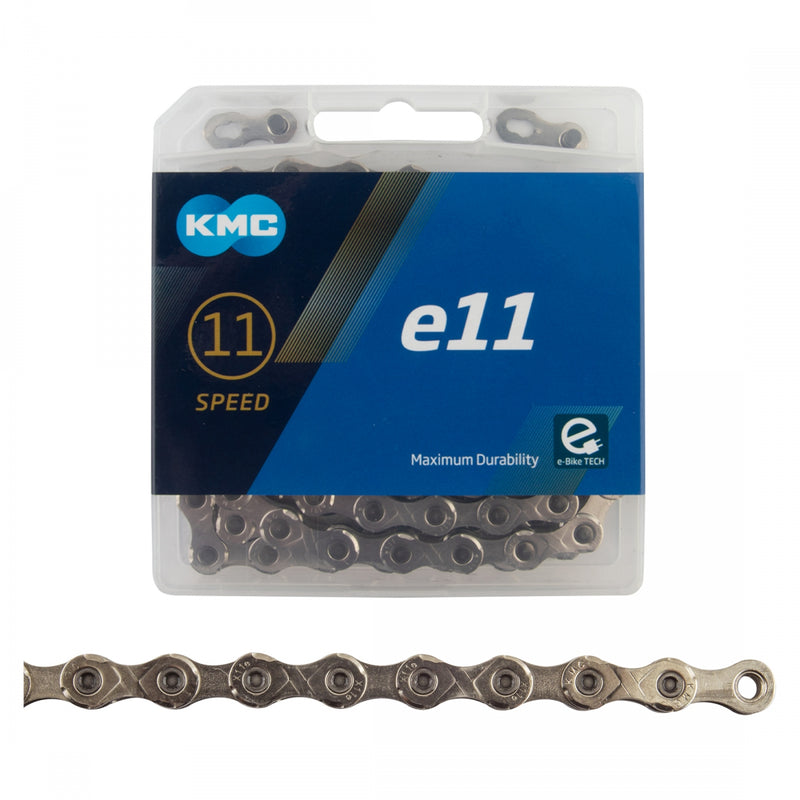
A practical upgrade we recommend often is using a purpose-built e-bike chain. KMC makes excellent e-bike rated chains that cost a little more but can be dramatically more durable than a standard chain. In real ownership terms, that can mean fewer failures, better shifting under load, and fewer drivetrain “domino effects” where one worn part ruins the next.
Prevention also includes behavior: ease off pedal pressure during shifts, especially on climbs; keep cadence reasonable; and keep the chain clean and lubricated. E-bikes are not fragile—but they do reward good drivetrain habits.

Heat, Grease, and Electronics: The Failure Most Riders Don’t See Coming
Another pattern we see often—especially on e-bikes purchased online with rear hub motors—is electronics failing due to rust, water exposure, and lack of preventive maintenance. This is not always a manufacturing defect. Many times, it’s the predictable result of heat and aging lubrication.
Here’s the mechanic reality: rear hub motors are mechanical devices with lubrication inside. Over time, the grease can harden, especially after a year of heat cycles, moisture exposure, and seasonal temperature swings. When the grease hardens, it stops lubricating effectively. That raises friction, which raises operating temperature.
As operating temperature rises, you increase the chance of electrical damage—often to components like the hall sensor or the controller/phase system that manages motor operation. Riders experience this as sudden cut-outs, intermittent power, or a motor that “acts weird,” especially when climbing or riding longer distances where heat builds.
For many online rear hub e-bikes, a realistic preventive practice is a rear motor grease refresh after the first year of use. Think of it like a service interval that keeps the motor running cooler and reduces the chance of avoidable electronic failures. If you wait until symptoms appear, you’re often already in the “damage has started” phase.
This is where PA conditions matter. Wet roads, storage in damp garages, and the residue of winter salt can accelerate corrosion and contamination. You don’t need to baby an e-bike, but you do need to treat it like a machine that lives outdoors.

The Onion Effect: Layers of Complexity on E-Bikes
E-bikes are not “worse” than acoustic bikes. They’re more layered. That layered design is why they can be amazing tools—and why troubleshooting can take a different approach.
Layer one is mechanical. You still have a chain, cassette, derailleur, brakes, bearings, and tires. The difference is that loads and heat are often higher.
Layer two is electrical. Wiring harnesses, connectors, sensors, displays, and switches. These components can be reliable, but they don’t like corrosion, crushed cables, or loose connections.
Layer three is software/firmware. Even if you never think about it, the system is managing motor output, sensor feedback, and power delivery logic. Sometimes a “problem” is not a broken part—it’s calibration, a sensor misread, or a system state that requires proper diagnosis.
This is why e-bike problems can feel sudden. A chain gives you noise. A connector gives you an error or intermittent power. One feels gradual. The other feels mysterious—until you understand the layers.

Pennsylvania Rust and Corrosion: Both Bike Types Suffer Here
Pennsylvania can wreak havoc on metal parts. That applies to acoustic bikes and e-bikes equally. Rust and corrosion are not “e-bike problems.” They’re regional reality problems.
We see corrosion in chains, cassette teeth, chainring hardware, cable ends, and small fasteners. We also see it in e-bike-specific areas: charging ports, exposed connectors, and wire junction points—especially when bikes are stored wet or never cleaned after riding through winter residue.
The solution is not complicated, but it does require consistency. Chains and components must be regularly lubricated. After wet rides, a quick wipe-down and relube can extend drivetrain life significantly. If a bike sits in a damp garage, it can corrode while it’s not even being ridden. In PA, “low maintenance” still means “some maintenance.”
If you want the bike to feel good year-round, treat corrosion prevention like brushing your teeth: small effort, big payoff.
Brake Wear on E-Bikes: Why Pads Disappear and What We Install Instead
E-bike brake wear is real, and it’s not just because riders go faster. It’s because the system is heavier. More mass means more energy to slow down. More energy means more heat in the brake system.
One practical point we see constantly: organic brake pads are often not a great match for heavy e-bikes. Organic pads can feel smooth and quiet, but they can wear quickly under high heat, especially on heavier commuter and cargo setups in rolling terrain. Riders come in saying, “I just replaced these,” because they did—only the bike’s demands are higher than the pad compound can handle for long.
When rotors start heating up, we often recommend metallic or sintered pads. They typically last longer and handle heat better. They may be noisier in some conditions and they can change feel slightly, but for heavy e-bikes, the durability and performance under heat are often worth it.
Brake setup is also about expectations. If you ride steep little descents repeatedly in the Reading/Wyomissing area, plan on pads being a routine service item. That’s normal. It’s not a flaw. It’s physics.

Maintenance Expectations: What Owners Should Plan For
If you want a bike—acoustic or electric—to feel good and stay reliable, you need a maintenance plan that matches the environment and the use case.
For acoustic bikes, maintenance is usually straightforward and predictable: keep the drivetrain clean and lubricated, replace chains on time, monitor brake pad thickness, and address shifting issues before they become wear accelerators. This is especially important in PA where wet grit can turn a chain into sandpaper.
For e-bikes, plan on the same mechanical maintenance, but recognize that the bike is doing more work and carrying more weight. That means:
Drivetrain checks matter more. If you wait until shifting is terrible, you may be replacing multiple parts at once. A purpose-built e-bike chain can often be a smart investment.
Brake maintenance is not optional. Pad compound selection matters, and heavy bikes need pads that can handle heat.
Corrosion prevention protects electronics too. Keeping connectors dry and bikes clean after wet rides reduces the “mysterious” failures riders hate.
For certain online rear hub systems, preventive motor servicing can prevent heat-related failures. Grease aging is real. Temperature kills electronics. Preventive intervals are cheaper than reactive repairs.
None of this is meant to make e-bikes sound intimidating. It’s meant to make ownership predictable. When maintenance is predictable, riding stays fun.
FAQ
Do e-bikes break more often than regular bikes?
Not necessarily “more often,” but they often reach wear points sooner because they carry more weight and apply more torque. They also have additional electrical layers that can introduce different kinds of failures. With the right maintenance, e-bikes can be very reliable—but the maintenance expectations are different.
Why do chains break more on e-bikes?
Higher torque, heavier system weight, and shifting under load are the main causes. A dry or gritty chain weakens faster as well. Many riders benefit from using an e-bike-rated chain and adopting habits like easing off pedal pressure during shifts—especially on climbs.
What brake pads are best for a heavy e-bike?
Organic pads can wear very quickly on heavy e-bikes, especially in hilly terrain where brakes run hot. Metallic or sintered pads typically last longer and handle heat better. The best choice depends on your brake model and riding conditions, but for heavy commuter and cargo e-bikes, heat-tolerant pads are usually the smarter long-term fit.
What’s the most overlooked e-bike maintenance item?
Preventive attention to exposure and heat-related issues. Corrosion in connectors and ports can cause intermittent failures, and for many rear hub e-bikes (especially online purchases), internal lubrication can degrade over time. When grease hardens, motors run hotter, and heat can damage sensors or controllers.
Does Pennsylvania weather really make that much difference?
Yes. Wet roads, winter residue, freeze-thaw cycles, and garage condensation accelerate rust and grit wear on both acoustic bikes and e-bikes. Regular cleaning and lubrication—especially for chains—makes a major difference in lifespan and reliability.
Local service in Wyomissing / Reading: prevent frustration before it starts
Most “breakdowns” are preventable when you understand the wear pattern and service the bike before it hits the failure point. At Go Grava, we work on acoustic bikes and e-bikes every day, and we see what Pennsylvania conditions do to drivetrains, brakes, and electronics over time.
If your bike is shifting poorly, eating brake pads, showing intermittent electrical issues, or you just want a preventive inspection, stop into the shop in Wyomissing or reach out through GoGrava.com. Our goal is simple: keep your bike reliable, safe, and enjoyable—so you ride more and worry less.

Leave a comment