


How to Choose the Right Tire for Where You Actually Ride
Choosing the right bike tire comes down to where you actually ride—not what looks fastest or most aggressive. Pavement, gravel, trails, and mixed terrain all demand different tread patterns, widths, and casings. The right tire improves comfort, efficiency, and control, while the wrong one adds drag, vibration, and unnecessary wear.
Start With the Surface You Ride Most
The single biggest mistake riders make is buying tires for the ride they imagine doing, not the ride they repeat week after week. A tire is a performance part, and the best “all-around” option is usually the one that matches your most common surface. If 70% of your miles are paved, a tire optimized for pavement is going to feel better and last longer—even if you occasionally dip onto a packed cinder path or a short gravel connector. If your riding is 70% gravel and broken backroads, a tire that prioritizes stability, puncture resistance, and confidence at lower pressures will usually outperform something built to be fast on smooth asphalt.
Think in terms of three buckets:
- Smooth (pavement / bike path): consistent traction, fewer sharp impacts, higher speeds, and long wear.
- Mixed (pavement + gravel + rough shoulder): variability, hidden debris, and frequent transitions.
- Loose / technical (singletrack, rocks, roots, sand): traction under load and controlled braking matter more than outright speed.
If you’re not sure what surface dominates, look at your last 10 rides and count. This simple check prevents overbuying the wrong tire style and then spending the rest of the season “making it work.”
Tread Patterns: What They Actually Do

Tread is not just about looking aggressive. It determines how the tire interacts with the ground during braking, cornering, and climbing—especially when surfaces are wet, loose, or uneven. For many riders, the right tread choice is the difference between feeling confident and feeling like the bike is constantly slipping or drifting.
Slick Tires (Road and Urban)
Slick tires are designed for maximum rubber contact on smooth surfaces. On pavement, that contact patch helps with predictable grip and low rolling resistance. Slicks are also typically quieter and more efficient at speed. If your riding is primarily paved roads, bike paths, and urban commuting, slick tires often provide the best combination of speed and durability.
Where slicks struggle is loose gravel, wet leaves, mud, or sand. They can still roll through these conditions, but braking and cornering traction will be limited—especially if the tire is narrow or the pressure is high.
Semi-Slick / File Tread (All-Road and Light Gravel)
Semi-slick tires (often with a smooth center and mild side knobs) are built for riders who want road efficiency with extra “insurance” when conditions change. A smooth center tread keeps rolling resistance low on pavement, while subtle shoulder knobs provide more grip in corners on hardpack and light gravel.
For many riders who mix pavement with rail trails, cinder paths, or dry hardpack, this is the sweet spot. It is also a common choice for “all-road” bikes that regularly see imperfect pavement and occasional dirt.
Knobby Tires (Gravel and Mountain)
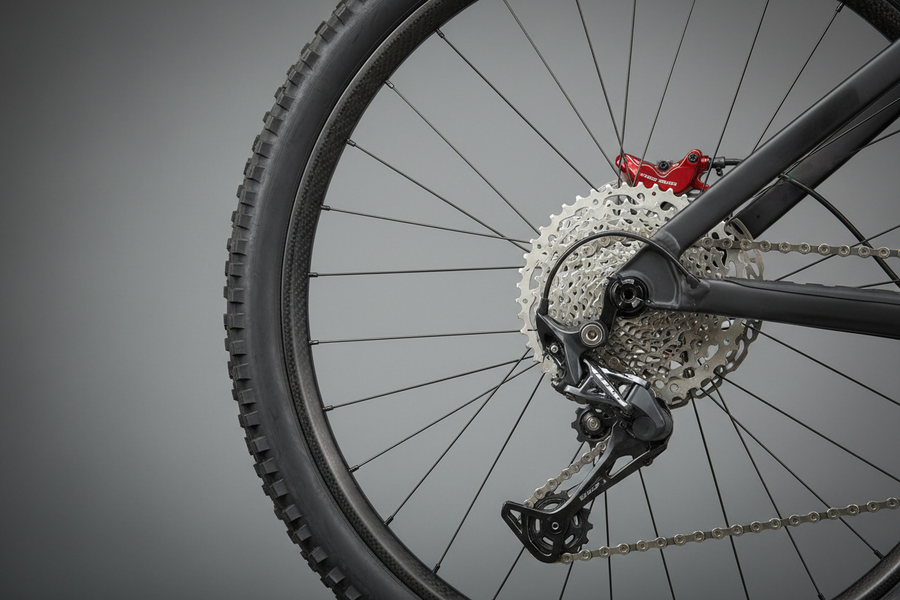
Knobs create edges that can bite into loose surfaces, improving traction in climbing and braking. On mountain bike terrain, knob shape and spacing matter: tight knobs often roll faster on hardpack, while wider spacing clears mud better in wet conditions. On gravel tires, knobs are usually shorter and more closely packed than mountain tires, optimized for speed on mixed surfaces rather than deep mud or technical rock gardens.
The tradeoff is drag and noise. Aggressive knobs on pavement can feel slow and can wear quickly. If most of your miles are on pavement, you usually do not want a heavily knobby tread—unless your routes consistently include loose or technical sections where grip is the limiting factor.
Tire Width: The “Comfort vs Speed” Myth

Many riders assume narrower tires are automatically faster. In controlled conditions on perfectly smooth surfaces, that can be true. But real roads are not perfect. Rough pavement, chip seal, cracks, and debris cause vibration that steals energy. Wider tires can reduce those losses by smoothing impacts, which often makes them faster in the real world, not slower.
Practical Width Starting Points
- Road (smooth pavement): many riders land in the 28–32mm range for a fast, comfortable setup.
- All-road / mixed pavement: 32–38mm often balances speed with compliance.
- Gravel (mixed surfaces): 38–45mm is common, with tread choice tailored to conditions.
- Mountain: widths vary widely by discipline, but volume generally supports lower pressures and higher traction demands.
Casing, Sidewalls, and Puncture Protection
Tire performance is not only tread and width. The casing—the fabric and construction under the rubber—determines how the tire feels, how it handles impacts, and how it resists punctures. Two tires with the same width and tread can ride very differently if the casing and puncture belt are different.
Supple vs Durable Casings
A more supple casing generally conforms better to the ground. This can improve traction and comfort, especially on rough surfaces. The tradeoff is that thin, supple casings can be more vulnerable to cuts and punctures, depending on the tire’s protective layers.
Durable casings and added puncture protection improve reliability, but can feel stiffer. For commuters and riders who deal with frequent debris (glass, wires, thorns), a slightly heavier tire with a robust puncture layer can be worth it.
Sidewall Protection
Sidewall cuts are common on rocky trails and rough gravel, and they can end a ride quickly. If your routes include sharp rocks, chunky gravel, or technical sections, sidewall protection becomes more important. Look for tires that specify reinforced sidewalls or gravel/mountain-specific casing options built for impact resistance.
Rolling Resistance vs Grip: Pick the Right Priority
Every tire choice is a compromise between speed, grip, durability, and comfort. The key is to choose the compromise that fits your riding. If you’re mainly on pavement, prioritizing low rolling resistance and long wear makes sense. If you’re riding loose gravel descents, grip and predictability may matter more than saving a few watts.
A practical way to decide is to identify the one thing you want to avoid:
- If you want to avoid feeling “sketchy” in corners: choose a tread with better shoulder grip and run appropriate pressure.
- If you want to avoid flats: choose stronger puncture protection and consider tubeless compatibility.
- If you want to avoid harshness and fatigue: consider a wider tire with more volume.
Pressure Matters More Than Brand
Riders often change tires when the real issue is pressure. Too high and the bike feels harsh, bouncy, and unpredictable on rough surfaces. Too low and the tire can feel sluggish, squirmy, or vulnerable to pinch damage (with tubes) and rim strikes (especially off-road).
Pressure depends on rider weight, tire volume, rim width, surface, and whether you run tubes or tubeless. As a general concept:
- Smoother surfaces: slightly higher pressures can improve efficiency.
- Rougher surfaces: slightly lower pressures often increase comfort and real-world speed by reducing vibration losses.
- Loose gravel / dirt: lower pressures improve traction and control.
When you install new tires, plan to spend a few rides experimenting with small pressure adjustments. A difference of just a few PSI can completely change the feel of the bike.
Match Your Tire to Your Bike and Your Routes
If you’re ready to start narrowing things down, you can browse our full selection of road, gravel, and mountain bike tires here.
Tires should fit your frame clearance, your rim width, and the type of riding you actually do. A road bike with minimal clearance may not accept the tire width that would be ideal for broken pavement. A gravel bike can often accept a range of sizes and treads, making it easier to tune the bike for seasonal conditions.
If you ride mixed terrain, it can be helpful to think of your tire as part of a system:
- Route: what surfaces and conditions you see most often.
- Riding style: cautious vs aggressive cornering and braking habits.
- Reliability needs: commuting vs recreational rides where a flat is not a big deal.
The “best” tire is the one that makes your most common ride feel easier and more confident—not the one that looks most aggressive in the shop.
Quick Recommendations by Real-World Riding

Here are common rider profiles and what typically works well:
- Mostly pavement (fitness or commuting): slick or lightly textured tread, moderate width for comfort, strong puncture protection if debris is common.
- Pavement + rail trail: semi-slick with mild shoulders, mid-width, balanced casing for comfort and reliability.
- Gravel roads and mixed backroads: gravel tread matched to local conditions, wider volume for stability, casing that survives sharp stone.
- Singletrack / trail focus: knobby tread, casing suited to impacts, pressure tuned for traction and rim protection.
Once you choose a tire direction, you can refine based on season (wet vs dry), ride length, and how much you prioritize speed versus confidence.
FAQs
What is the best bike tire for mixed terrain riding?
A semi-slick or lightly treaded gravel tire is often the best option for mixed terrain. These tires roll efficiently on pavement while still providing enough grip for hard-packed gravel and dirt paths.
Are wider bike tires slower than narrow tires?
Not necessarily. On rough pavement and gravel, wider tires often roll faster by reducing vibration and energy loss. In real-world conditions, they can be both faster and more comfortable than narrow tires.
How do I know if my bike can fit wider tires?
Check your frame and fork clearance, including room for debris and flex. Most manufacturers list a maximum tire width, but real-world clearance can vary based on rim width and tire brand.
How often should bike tires be replaced?
Bike tires should be replaced when tread is worn flat, sidewalls show cracks, or punctures become more frequent. For many riders, this is more important than mileage alone.
Does tire tread matter on pavement?
Yes, but less than on dirt. Slick or lightly textured tires provide the most grip and efficiency on pavement, while aggressive tread mainly adds noise and rolling resistance.
What tire pressure should I run for comfort and control?
Proper pressure depends on rider weight, tire width, surface, and whether you use tubes or tubeless. Lower pressures generally improve comfort and grip on rough surfaces, while higher pressures suit smoother roads.
Is puncture protection worth the added weight?
In many cases, yes—especially for commuting, rail trails, urban riding, and gravel routes with sharp debris. A slightly heavier tire with a puncture belt can prevent ride-ending flats and reduce downtime. If you prioritize maximum speed on smooth pavement and rarely flat, you can go lighter; if reliability matters, protection is usually worth it.
Leave a comment